
Holiday Treats That Can Harm Dogs: A Guide for Pet Owners
Updated: 5 days ago
Many traditional holiday foods are tempting for dogs. However, they often contain ingredients that can cause serious health problems. Understanding these dangers is crucial for keeping your furry friends safe during the festive season.
Understanding the Risks of Holiday Foods
Chocolate and Cocoa Products
Chocolate is one of the most well-known toxic foods for dogs. It contains theobromine and caffeine, substances that dogs cannot metabolize well. Even small amounts can lead to vomiting, diarrhea, rapid breathing, increased heart rate, and seizures. Dark chocolate and baking chocolate are especially dangerous due to their higher toxin levels.
Grapes and Raisins
Grapes and raisins can cause kidney failure in dogs. The exact toxic substance is unknown, but ingestion of even a small amount can lead to vomiting, lethargy, and severe kidney damage. Avoid giving your dog any fruitcake or holiday desserts containing these ingredients.
Nuts, Especially Macadamia Nuts
Macadamia nuts are toxic to dogs and can cause weakness, tremors, vomiting, and hyperthermia. Other nuts like walnuts and pecans can cause digestive upset or pose a choking hazard. Keep all nuts out of reach.
Onions, Garlic, and Chives
These common cooking ingredients can damage a dog’s red blood cells, leading to anemia. They are often found in stuffing, gravies, and sauces. Even powdered forms can be harmful, so avoid sharing any dishes containing these ingredients.
Alcohol and Yeast Dough
Alcohol can cause intoxication, vomiting, diarrhea, difficulty breathing, and even coma in dogs. Yeast dough can expand in the stomach, causing pain and potentially dangerous bloating. Keep all alcoholic drinks and raw dough away from pets.

Holiday Plants That Pose Risks to Dogs
Decorations add charm to the season. However, some plants are toxic if chewed or ingested by dogs.
Poinsettias
Poinsettias are famous holiday plants often thought to be deadly. However, they usually cause only mild irritation. Dogs may experience drooling, vomiting, or skin irritation if they nibble on the leaves.
Mistletoe
Mistletoe is more dangerous. It can cause gastrointestinal upset, difficulty breathing, and heart problems. Keep mistletoe well out of reach or avoid using it altogether.
Holly
Holly berries and leaves contain toxins that can cause vomiting, diarrhea, and lethargy. The sharp leaves can also cause mouth irritation or injury.
Lilies
While lilies are extremely toxic to cats, some types can also harm dogs. They can cause vomiting and kidney issues. It’s safer to avoid lilies during the holidays.

Tips to Keep Your Dog Safe During the Holidays
Store Food Securely: Keep all holiday treats and leftovers out of reach, especially on counters or tables.
Use Pet-Safe Decorations: Choose artificial plants or dog-friendly decorations when possible.
Educate Guests: Let visitors know not to feed your dog any human food or treats.
Provide Distractions: Give your dog their own special treats and toys to reduce temptation.
Know Emergency Contacts: Have your vet’s number and the nearest emergency animal hospital handy.
What to Do If Your Dog Eats Something Toxic
If you suspect your dog has eaten a harmful treat or plant, act quickly:
Remove any remaining toxic material.
Call your veterinarian or an emergency animal poison control center immediately.
Follow their instructions carefully.
Do not induce vomiting unless directed by a professional.
Early intervention can make a big difference in outcomes.
Keeping Your Dog Healthy and Happy This Holiday
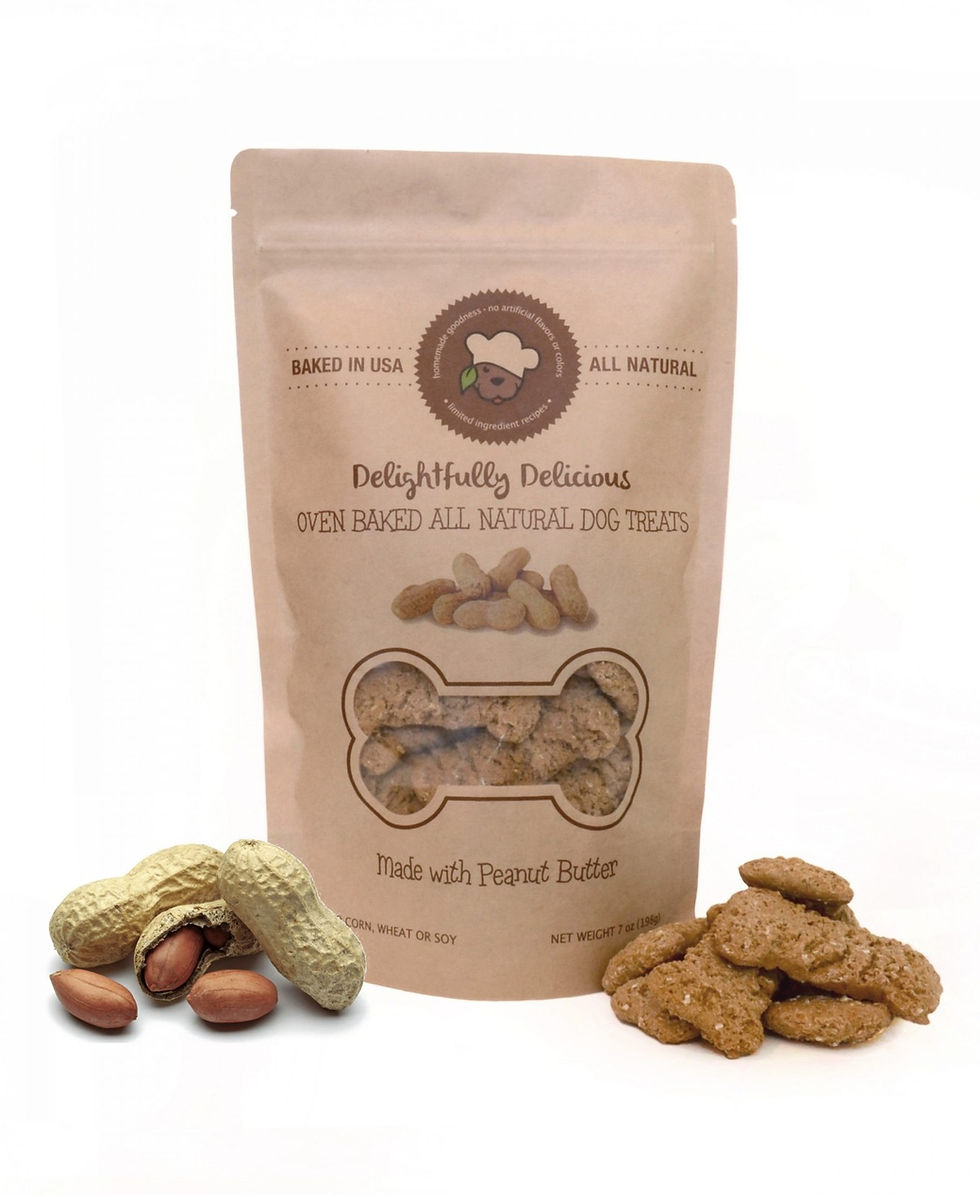
The holidays are a time for family, including your four-legged members. By understanding which treats and plants are dangerous, you can protect your dog from harm. Focus on safe snacks like Delightfully Delicious Dog Treats, pet-friendly decorations, and plenty of love and attention. This way, everyone enjoys the season without worry.
Additional Safety Measures for Dog Owners
Create a Safe Space
Designate a safe area for your dog during holiday gatherings. This space should be free of decorations, food, and any potential hazards. A cozy bed with their favorite toys can keep them comfortable and out of trouble.
Monitor Holiday Decorations
Ensure that decorations are secure and out of reach. Dogs may be tempted to chew on ornaments or tinsel, which can lead to choking or intestinal blockages. Use pet-friendly decorations whenever possible.
Be Mindful of Holiday Stress
The holiday season can be stressful for pets. Keep an eye on your dog's behavior. If they seem anxious or overwhelmed, provide a quiet space for them to relax.
Plan for Travel
If you’re traveling with your dog, ensure they are comfortable and safe in the car. Bring their favorite items, such as blankets and toys, to help them feel at ease.
Consult Your Vet
If you have any concerns about your dog's health during the holidays, consult your veterinarian. They can provide guidance on safe foods and any necessary precautions.
By taking these additional safety measures, you can ensure that your dog enjoys the holiday season as much as you do. Remember, a little extra care goes a long way in keeping your furry friend safe and happy.


Comments